Lighting Choices Exhibition And Events Companies Use To Hold Attention
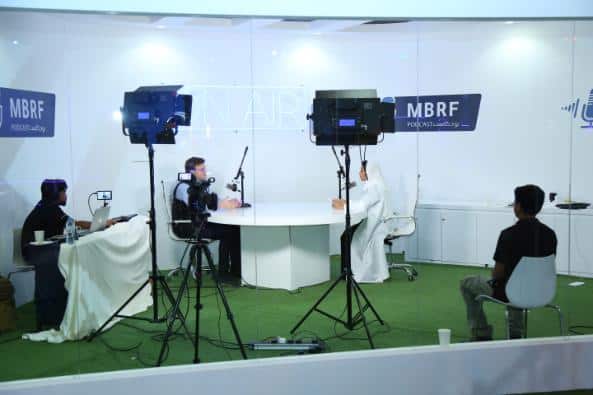
Lighting can make a visitor stop, look twice, and move toward a display, or walk straight past it. Colour temperature, intensity, positioning, movement, and accent lighting can guide attention while shaping the mood of an entire event space. Used poorly, even an impressive setup can feel flat or overwhelming.
Smart lighting decisions can therefore become a powerful part of event design, helping exhibition and events companies in Dubai create spaces that capture attention and keep audiences engaged.
Focused lighting
Focused lighting draws attention toward products, displays, graphics, or demonstration areas. Spotlights work well when a stand has one hero product that deserves immediate notice. Narrow beams add visual hierarchy, while adjustable fixtures let teams shift emphasis as displays change. Designers also position focused lights above eye level to avoid harsh glare. The result feels deliberate and easy to read.
Ambient lighting
Ambient lighting sets the overall brightness across a stand and keeps the space comfortable. Soft, even illumination helps visitors read graphics, inspect products, and speak with staff without squinting. Warm white light suits relaxed brand environments, while cooler white light gives technology and industrial displays a crisp appearance. Good ambient lighting also prevents dark corners that may make a stand look smaller.
Accent lighting
Accent lighting adds contrast and gives selected details extra visual weight. LED strips can outline shelving, counters, architectural edges, or display niches. Small directional fixtures can highlight textures, logos, or product finishes. Designers use accent sources beside general illumination so key areas stand apart without making the entire stand excessively bright. Subtle contrast keeps the eye moving across the display.
Dynamic lighting
Dynamic lighting introduces movement through programmed colour changes, brightness shifts, or timed effects. Large brands sometimes use these techniques around presentations, product launches, and interactive features. Dynamic effects work best when they match the brand identity and event schedule. Excessive flashing can distract visitors, so designers keep transitions controlled and purposeful. Well timed changes can signal a presentation start or draw attention toward a live demonstration.
Lighting also supports brand recognition by reinforcing colours, materials, and visual themes. Consistent colour temperature helps printed graphics and products appear closer to their intended appearance. Branded LED elements can repeat signature tones across counters, signs, and architectural details. Teams also consider venue restrictions, power limits, fixture heat, and sightlines before installation. Each fixture earns its place through purpose. A balanced lighting scheme keeps the stand inviting, readable, and visually memorable.